
A powerful story can begin anywhere.
A memory. A character. A family secret. A question. A stage scene. A journal entry. A lived experience that refuses to be forgotten.
The emotional truth may arrive before the plan.
That is often how meaningful creative work begins.
But a strong idea does not automatically become a strong property.
A story still needs structure.
Writers, producers, founders, and creative leaders sometimes resist structure because they fear it will restrict the work. They want to protect the emotion, spontaneity, and freedom that made the idea meaningful.
Good structure does not weaken creativity. It protects it.
Structure gives the story a path from imagination to audience.
It helps answer important questions:
What is this work?
Who is it for?
Why does it need to exist?
What format serves it best?
What must be completed first?
Who is responsible for each decision?
What resources are required?
How will people encounter it?
What happens after the first release?
Without structure, creative work may remain trapped in constant development.
The writer keeps revising without deciding when the manuscript is ready.
The producer announces the production before the budget, venue, team, and timeline are clear.
The founder creates logos, content, products, and platforms without establishing the relationship between them.
The creator receives interest but has no materials prepared for a partnership conversation.
The story is strong, but the path around it is uncertain.
Creative development should begin with clarity.
The central message must be understood.
What is the story truly about beneath the plot?
What question is the audience being invited to consider?
What emotional experience should remain after the final page, scene, or moment?
What should not be compromised as the work grows?
This central truth becomes the foundation for decisions.
It helps determine whether a new idea belongs or merely distracts.
Structure is also necessary inside the story.
Characters need clear motivations. Scenes need purpose. Themes need room to develop without becoming speeches. The audience needs enough information to understand the world without being told everything at once.
Emotion becomes stronger when it has somewhere to move.
A story filled with powerful moments can still feel incomplete when those moments are not connected.
The same principle applies to the larger property.
A book may become a play. A play may become a filmed production. A character may inspire a digital series. A story may create a journal, discussion guide, conference, application, or community experience.
These possibilities can be exciting.
They can also become overwhelming.
Every possible extension should not be developed at the same time.
Property development requires sequence.
What is the primary work?
What is ready now?
What must wait?
Which extension deepens the story?
Which extension serves the audience?
Which idea creates unnecessary complexity?
Creators need permission to hold a large vision while working through a focused next step.
Structure also requires business decisions.
Creative work has timelines, costs, rights, responsibilities, agreements, and risks. Ignoring those realities does not protect the art. It makes the art more vulnerable.
Who owns the work?
Who has permission to use it?
How will collaborators be credited and compensated?
What expenses must be covered?
What happens if the project is delayed?
What materials may be shared publicly?
Which decisions require professional legal, financial, publishing, or production guidance?
Creators do not need to become experts in every area, but they should understand when specialized support is necessary.
Documentation matters.
A verbal agreement may feel comfortable at the beginning of a relationship. Confusion often appears later when memories differ, expectations grow, or money becomes involved.
Written clarity protects relationships.
Production structure matters too.
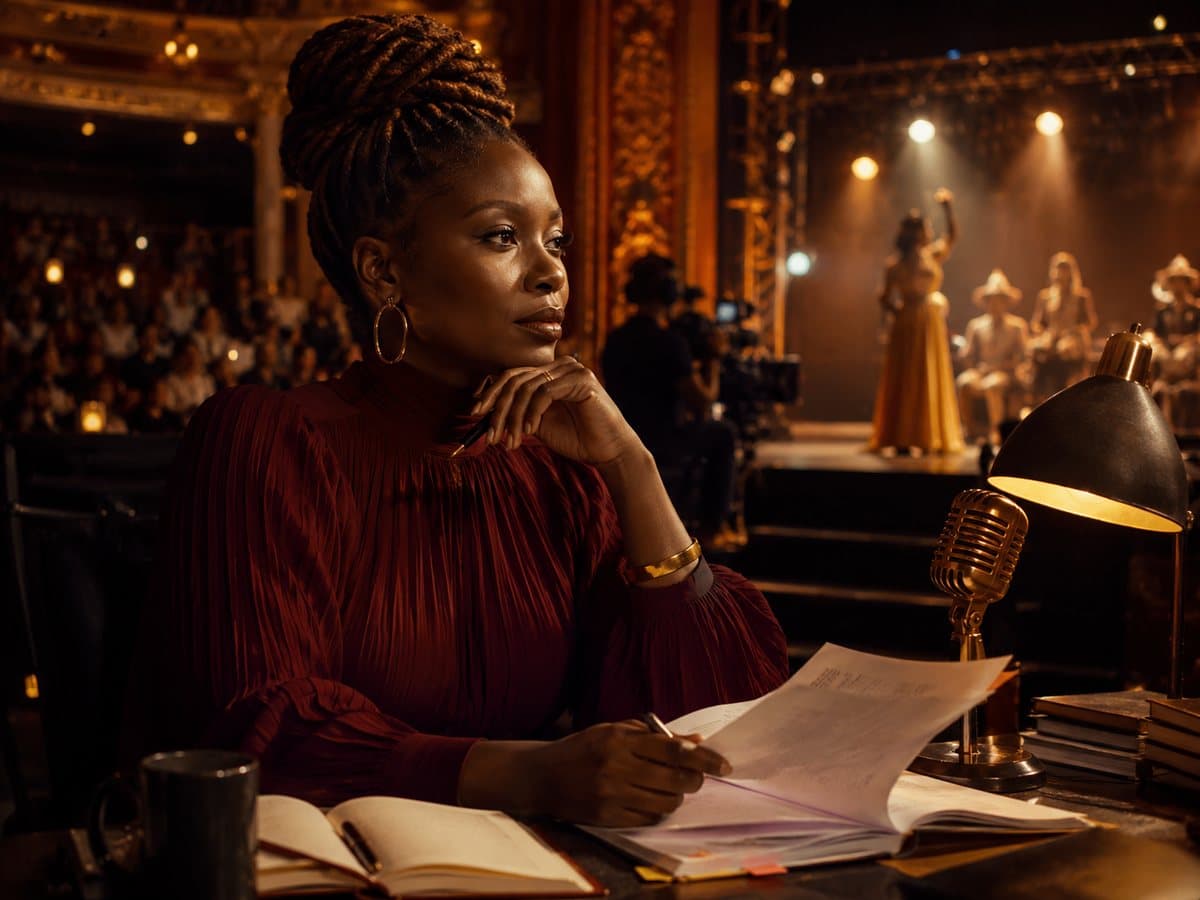
A stage play needs more than a script. It needs casting, rehearsals, schedules, technical preparation, venue coordination, marketing, guest communication, ticketing, front-of-house planning, and a clear audience experience.
A book needs more than a manuscript. It may require editing, formatting, cover design, publishing decisions, distribution, metadata, launch planning, reader communication, and long-term positioning.
A digital platform needs more than a concept. It needs user experience, content structure, technology decisions, privacy considerations, testing, support, and adoption planning.
The audience may only see the final creative expression.
They still feel the quality of the structure behind it.
Weak operations can distract from a strong story. Confusing ticket information can reduce attendance. Poor sound can weaken a powerful performance. A difficult purchasing process can interrupt reader interest. Inconsistent branding can make the property feel disconnected.
Structure helps the audience reach the story without unnecessary friction.
Audience development should also begin before the work is released.
Who needs this story?
Where do those people already gather?
What conversations are they already having?
Which organizations may find the work meaningful?
What content can introduce the themes without giving away the entire property?
How will people remain connected after reading, attending, or watching?
An audience is not simply a number.
It is a relationship.
Strong storytelling respects that relationship. It does not treat people only as buyers, followers, viewers, or ticket holders. It considers what the audience brings into the experience and what responsibility the creator carries when presenting sensitive, cultural, family, or community stories.
This is especially important when the work involves trauma, identity, grief, family secrets, or real lived experience.
Emotional impact should not become exploitation.
Stories deserve dignity.
The people represented deserve care.
The audience deserves honesty about what the experience is and what it is not.
Structure helps protect those boundaries.
It allows the creative team to make intentional decisions about language, imagery, facilitation, content warnings, community discussions, and companion resources.
The strongest creative properties combine vision with stewardship.
Vision asks what the story can become.
Stewardship asks how it should be carried.
Both matter.
A creator may begin with a single idea and eventually build a literary, theatrical, digital, educational, or community ecosystem around it. That growth is possible when the foundation is clear enough to support expansion.
The goal is not to make creative work corporate or overly complicated.
The goal is to give the story what it needs to survive beyond the first moment of inspiration.
A strong story deserves strong writing.
It deserves emotional truth.
It deserves a clear audience.
It deserves thoughtful production.
It deserves responsible ownership.
It deserves systems allowing people to encounter it well.
The story is what people feel.
Structure is what helps the story reach them—and gives it room to continue.